
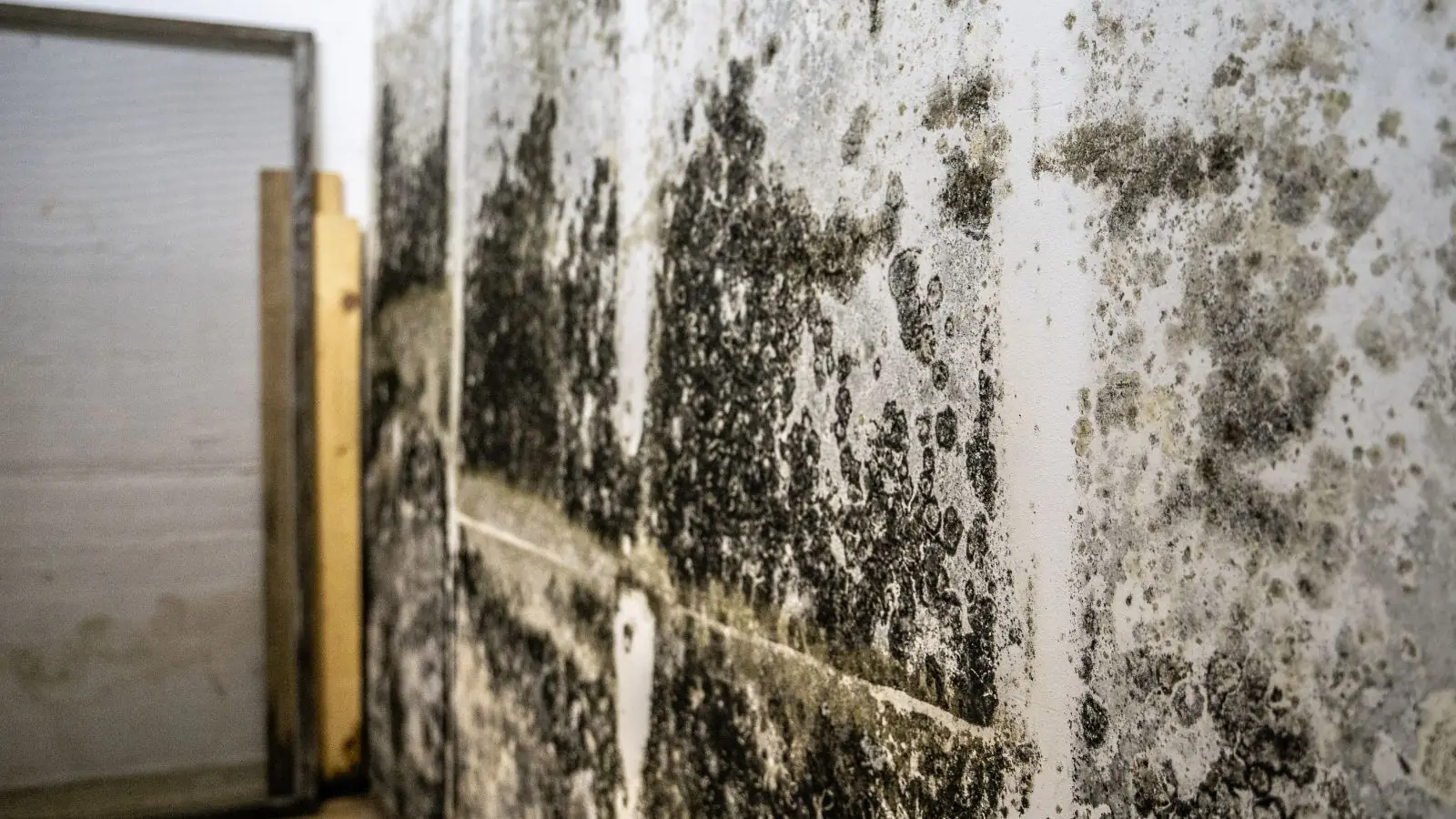
Start with the water, not the mold
Getting rid of basement mold in DeSoto, TX works only if the water source is fixed first. A basement stays damp from outside soil, from groundwater pressing through walls, from plumbing and from humid air meeting cool concrete. Remove mold from a wall that keeps getting wet and it returns.
If your home has a basement, a walkout level or a below-grade room, walk it after the next rain. Look for damp spots, water stains along the base of walls and a musty smell. Check downspouts and grading outside, since a downspout dumping water at the foundation is a common cause.
Common sources of basement moisture
- Surface water. Downspouts that end at the foundation, low grading and clogged gutters.
- Groundwater. Water rising after heavy rain and pushing through floor cracks or wall joints.
- Plumbing. Slow drips from lines, a failing water heater or a washing machine drain.
- Condensation. Warm humid air touching cold concrete or cold water pipes.
- Sewer backup. Water coming up through a floor drain in heavy rain.
The first four feed mold. The last one brings contamination as well, and that is a different job. See flood damage restoration for sewage and floodwater.
What to remove and what to keep
| Material | Typical decision | Reason |
|---|---|---|
| Concrete and block | Clean and dry | Hard surface, can be cleaned if the moisture source is fixed |
| Painted drywall | Cut out if growth went through | Paper face feeds mold |
| Carpet and pad | Remove | Holds moisture, hard to clean |
| Stored cardboard and paper | Discard if affected | Absorbs moisture and spreads growth |
| Wood framing | Clean and dry, replace if rotten | Dry wood can be cleaned, soft wood cannot |
| Insulation | Remove if wet | Holds water and cannot dry in place |
Drying the space before cleaning
Dehumidifiers and air movers do most of the work. A single small dehumidifier cannot dry a concrete floor that has soaked for weeks, so professional drying uses larger equipment and moisture meters to check progress.
Do not seal a wet wall with paint or a waterproofing coating. Sealing in moisture is how a problem grows. Dry first, clean second and finish last.
Who can clean it in Texas
The state says visible mold of under 25 contiguous square feet can be cleaned up by people who are not licensed, though exemptions apply. Larger areas, and any testing, need licensed professionals. Crews contain the area, run HEPA air filtration and remove damaged materials.
The mold remediation page explains how a licensed job runs, including testing and the clearance paperwork. If the cause is a leak, water mitigation covers the drying phase that has to happen first.
DeSoto note: rain, drainage and who to call
In August 2022, local news reported that the city counted at least 19 homes with water inside after torrential rain overwhelmed drainage in parts of DeSoto, including the Wolf Creek Estates area. The city manager said the sewer system was overwhelmed by the amount of water draining into it.
DeSoto has also been developing a Streambank Erosion Mitigation Program funded from its drainage fund. If you think street drainage near your lot contributes to your basement moisture, call the City Action Center at 972-274-CITY (2489). The FEMA Flood Map Service Center shows your flood zone.
Keeping it from coming back
- Extend downspouts several feet from the foundation.
- Keep the grade sloping away from the house.
- Run a dehumidifier in damp seasons and watch humidity with a simple meter.
- Fix plumbing drips as soon as you find them.
- Do not store cardboard directly on the floor.
No contractor can promise mold will never return. What you can control is moisture.
Crews work across DeSoto and nearby towns, including Cedar Hill and Lancaster.
Tracking down the moisture source first
Mold in a basement is a symptom, so the first job is finding where the moisture enters. Check the foundation walls for dark staining near the floor, look at window wells for pooled water and inspect the dryer vent and any plumbing that runs along the ceiling. A cheap humidity meter left on a shelf for a few days shows whether the air itself stays damp.
Surface cleaning without fixing the source usually fails within weeks. Grading that slopes toward the house, gutters that dump beside the wall and a missing sump pump are common causes. Writing down what you find helps any contractor or insurer understand the history of the problem.
Who do I call in DeSoto about drainage problems near my lot?
Start with the City Action Center at 972-274-CITY (2489), which handles resident requests. The city is also developing a streambank erosion program funded from its drainage fund.
If the water enters your basement during storms, a drainage or foundation specialist can look at the cause, which is separate from mold cleanup.
Can a dehumidifier alone get rid of basement mold?
No. A dehumidifier lowers humidity and helps drying, but it does not remove mold from materials. Growth on porous materials has to be removed.
It is a good tool for keeping a dried basement dry.
Is basement mold covered by homeowners insurance?
The Texas Department of Insurance says mold removal is generally excluded except to repair damage from a covered risk. Flood damage is usually excluded and needs a separate flood policy.
Check your policy and ask your insurer.
How do I know if my basement still has moisture inside the walls?
A moisture meter and a thermal imaging camera can show wet material behind finished walls. Surface dryness is not proof.
If a wall feels cool, smells musty or has bubbling paint, ask for a moisture check before closing it up.