
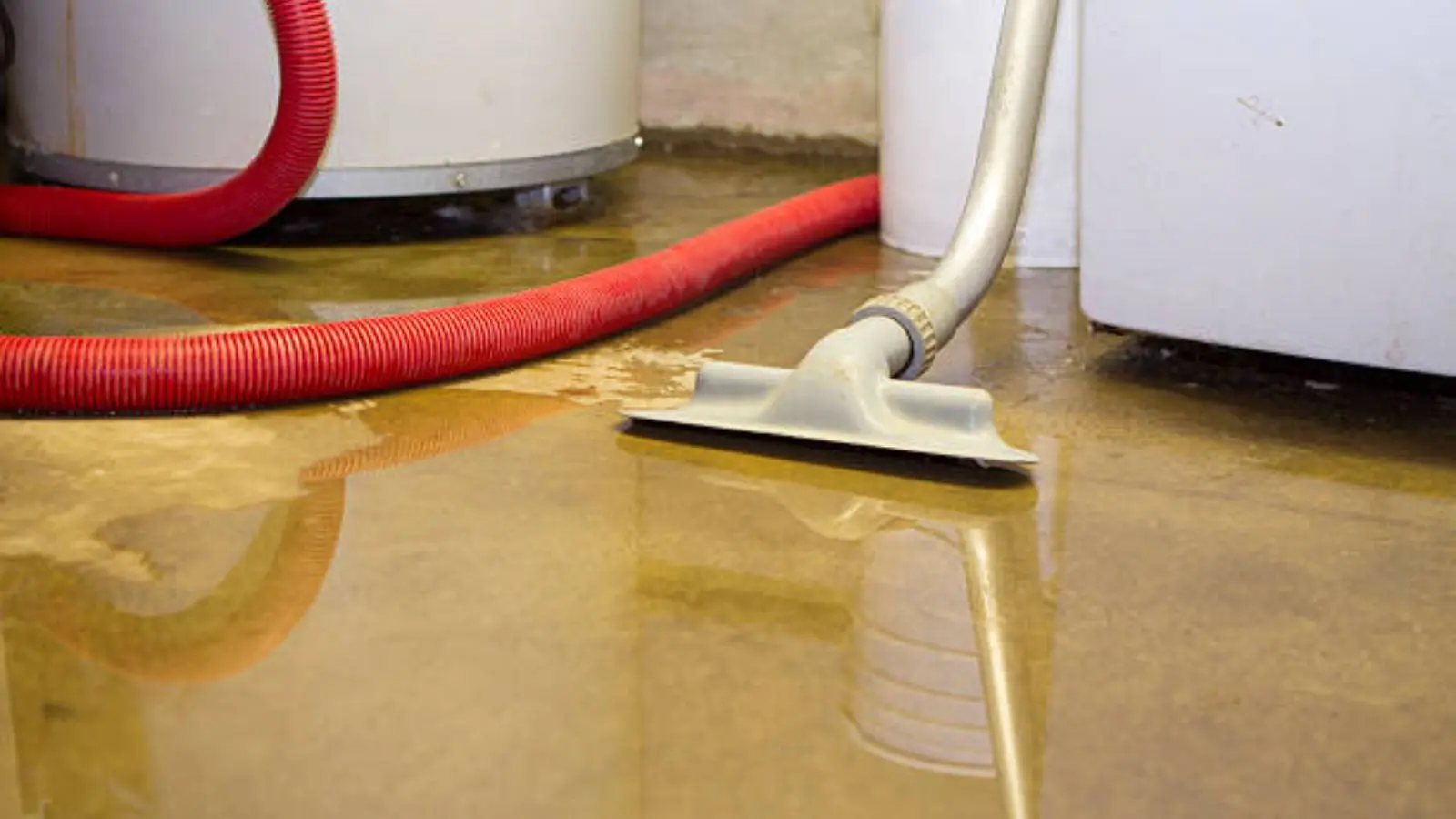
Emergency water damage cleanup in the first 48 hours
Cleanup starts once the water is stopped and the standing water is out. It is the removal of wet debris, ruined materials and contamination, followed by cleaning and sanitizing the surfaces that stay. The 24/7 line is open because the first 48 hours decide how much of the room can be saved.
While you wait, keep wet materials where they are and photograph them. Do not run a household vacuum on wet carpet, and do not walk through contaminated water.
What water damage cleanup involves
Cleanup sits between removal and repair. After emergency water removal and during water mitigation, a crew sorts what the water ruined from what can be dried and cleaned.
- Wet carpet pad, insulation and ruined drywall are cut out and bagged.
- Hard surfaces and framing are cleaned with detergents and antimicrobial treatments approved for the job.
- Contents are sorted into keep, clean and discard piles with photos for your records.
- Odor control starts with removing the source and may add deodorizing treatments.
- A final check confirms nothing wet is left behind surfaces that will be closed up.
Which materials are kept and which are replaced
The decision to keep or replace a material depends on how porous it is, how wet it got and what kind of water touched it. Clean water on a hard surface is a different problem than contaminated water in carpet.
| Material | Clean water (Category 1) | Contaminated water (Category 2 or 3) |
|---|---|---|
| Carpet and pad | Carpet may be dried and cleaned, pad often replaced | Both are usually removed |
| Drywall | Dries in place if caught early, cut out if saturated | Cut out and replaced |
| Hardwood | May be dried with special equipment | Often replaced |
| Laminate and vinyl plank | May swell at the edges, often replaced | Replaced |
| Insulation | Fiberglass may dry, spray foam is rarely wet | Replaced |
| Hard contents | Cleaned and dried | Cleaned and sanitized or discarded |
Contaminated water and sewage cleanup
Contaminated water changes the whole job. Sewage, river water and water that sat for days carry bacteria and other contaminants, and crews wear protective gear and use disinfectants approved for the surfaces.
Do not mix cleaning chemicals, and do not try to clean sewage yourself. For a backup, the flood damage restoration page explains the full process. For questions about health effects, talk to a physician.
Odors, stains and what the smell tells you
A musty smell after water damage usually means moisture is still present or porous material is still in the structure. A sharp sewage smell points to contamination. A sweet or stale smell can come from wet insulation or a wall cavity that has not dried.
Cleanup removes the source of the smell. Air scrubbers and deodorizing treatments handle what remains. If a smell persists after drying, the crew can check wall cavities with moisture meters and thermal imaging.
Ready for cleanup to start?
Call the line, describe what was wet and ask what to keep and what to discard. The dispatcher explains how the visit works.
What affects the cost of cleanup
- Water category. Contaminated water takes protective gear, more material removal and sanitizing.
- Volume of debris. More wet carpet, drywall and insulation means more hauling.
- Contents. Sorting and cleaning belongings takes time.
- Odor control. Persistent odors may need extra treatment.
- Rebuild scope. Cleanup leads to repair, which adds to the scope.
Insurance may cover cleanup after a sudden and accidental loss, and policies differ. Photograph everything before it goes in the dumpster and ask your insurer what applies. Want your real number? Call (972) 945-2885.
Cleanup in DeSoto and nearby towns
The crew that cleans out a wet room in DeSoto also covers Duncanville, Cedar Hill and the rest of the nearby service area. DeSoto Building Inspections says a permit is required to alter or repair a building, so ask the city at 972-230-9610 before you close walls over replaced plumbing or electrical work.
When cleanup is done, water damage repair covers the rebuild, from drywall to flooring.
Do you handle water damage cleanup emergencies at night or on weekends in DeSoto?
Yes. The 24/7 line is open all night and all weekend. The first 48 hours are when cleanup matters most, because wet debris and contaminated materials get worse with time.
Ask the dispatcher about timing when you call. Arrival depends on crew availability.
What can be saved after a water loss and what has to go?
Non-porous items such as glass, metal and hard plastic usually clean up well. Porous items such as carpet pad, insulation and upholstered furniture soaked by contaminated water are the ones that often have to be discarded.
Photograph everything before you throw it away. Your insurer may want to see the damage, and your photos protect you.
Does cleanup remove the smell?
Odors usually come from wet materials that are still in the building. Removing those materials, cleaning surfaces and drying the structure removes most of the cause. Deodorizing treatments handle what is left.
If a musty smell comes back after drying, say so. It may mean moisture remains in a wall or floor cavity.
Do I need to be home during cleanup?
You do not have to stay in the house, but the first walkthrough goes better when you are there. You can point out what was wet, what you want kept and where valuables are.
Crews will not discard contents without asking, except when a material is contaminated and unsafe to keep.
Does insurance cover water damage cleanup?
Often, if the loss was sudden and accidental. Long-term leaks and flood water are commonly excluded, and flood needs its own policy.
Cleanup invoices, photos and a written scope help your claim. Check your policy and ask your insurer what applies. The insurer makes the coverage decision.