
What the label "black mold" actually tells you
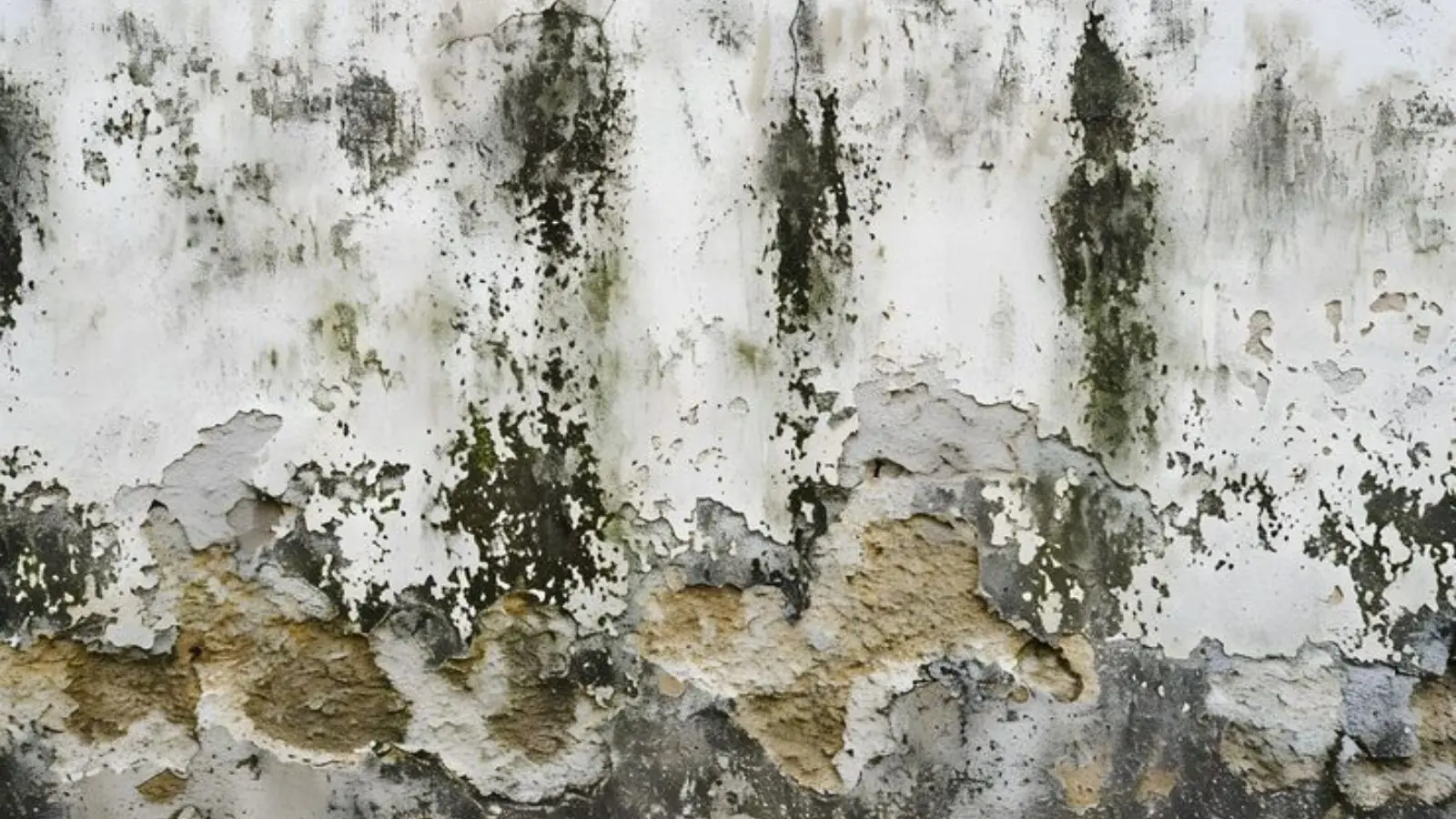
Is black mold dangerous is one of the first questions DeSoto, TX homeowners ask after finding dark growth. The honest answer starts with what the label means. "Black mold" is a common name for dark-colored growth, not a diagnosis. Many molds look dark, and color alone does not identify what is growing.
This site does not give medical advice, and no website can tell you how a particular person is affected. Questions about symptoms or exposure belong to a physician. What a restoration company can do is explain what to do about the growth itself.
What you can and cannot tell by looking
| Question | Can you tell by looking? | What answers it |
|---|---|---|
| Is it mold? | Often, but dirt, soot and stains can look the same | An inspection by a licensed assessor |
| Which species? | No | Laboratory analysis of samples by a licensed lab |
| How far did it spread? | Not behind walls | Moisture meters, thermal imaging and a licensed assessor |
| Why is it growing? | Sometimes | Finding the moisture source |
| Is the area clean afterward? | Not reliably | Clearance testing by a licensed assessor |
A home test kit from a store gives little. Mold spores are in most indoor air, so a kit often finds spores whether or not there is a problem.
What to do when you find it
- Find and stop the moisture source.
- Keep people out of the affected room if you are concerned, and talk to a physician about any symptoms.
- Photograph the growth and the source.
- Do not disturb a large area by scrubbing or sweeping.
- Decide on size and material. Under 25 contiguous square feet, an unlicensed person may clean it up with exemptions. Larger jobs need licensed professionals.
If water caused it, drying quickly limits further growth. The mold remediation page explains containment and removal, and water mitigation explains drying.
What licensed work looks like in Texas
Texas licenses mold assessors and remediators through the Texas Department of Licensing and Regulation. An assessor inspects, samples and writes a protocol. A remediation contractor follows it, contains the area, removes damaged materials and cleans.
The state also requires licensees to give you a Consumer Mold Information Sheet before any mold-related activity begins. When remediation is finished, a licensed remediator can issue a Certificate of Mold Damage Remediation to the property owner.
Texas note: who to ask about health and who to ask about the house
The Texas Department of Licensing and Regulation covers how mold work is licensed and what paperwork you receive. It does not replace a doctor. If you or someone in your household has symptoms you connect to your home, talk to a physician.
For the building, ask a licensed assessor to inspect and ask a licensed remediator to clean. Ask each for a license before work starts.
What not to do
- Do not paint over growth.
- Do not run a fan across it to dry it fast in a way that blows dust through the house.
- Do not mix cleaning chemicals.
- Do not tear out a large area without containment.
- Do not rely on a store test kit to decide.
Cutting into a wall without containment can spread dust through the home. Large areas call for containment and air filtration, which a licensed contractor provides.
Insurance and documentation
The Texas Department of Insurance says mold removal is generally excluded from home policies except to repair damage from a covered risk. Photograph before you clean and report a covered loss promptly. Check your policy and ask your insurer.
We cannot diagnose anything or promise results. We can dry the structure, document the damage and explain the process. Crews also serve Cedar Hill and Duncanville.
What to do while you wait for answers
Do not guess about color. Many dark stains are dirt, soot or old water marks, and no one can name a species by looking. Treat any suspect growth as a sign of moisture and focus on stopping the source.
Keep the area closed off, avoid disturbing it and take clear photographs for your records. If anyone in the home has a medical concern, talk to a doctor. For the building itself, a licensed assessor can sample and write a protocol when the situation calls for it.
Keep the larger picture in mind. Water damage and mold usually travel together, so a damp spot deserves attention whatever color it turns out to be. Fixing the source and drying the area are the steps that matter most in every case.
Who should I talk to in DeSoto if I am worried about symptoms?
Talk to your physician. A restoration company cannot assess health, and a website cannot either.
For the building, a licensed Texas mold assessor can inspect and sample.
Does dark mold need a special cleanup compared with other mold?
Color does not decide the process. Containment, source repair, removal and drying apply to any mold, and the Texas licensing rules depend on size, not color.
Only testing identifies what is growing.
Can I live in the house during remediation?
It depends on the size and location of the job. Crews contain the work area and filter the air, and some people choose to stay elsewhere.
Talk with a physician if anyone in the household has concerns.
Is mold from a leak treated differently from mold from humidity?
The cleanup is similar, but the cause is different. A leak means a source to repair and often wet materials to remove, while humidity needs ventilation changes.
Either way, moisture has to be fixed or it returns.